Embedded firmware
Embedded firmware development in Dubai
Last updated Reviewed by the Quickgen engineering team
Quickgen Technologies provides embedded firmware development in Dubai, from its headquarters in Dubai Silicon Oasis. Quickgen writes the firmware that runs connected devices: reading sensors, managing power, talking to phones and the cloud, and updating safely in the field. We usually design the PCB as well, so hardware and firmware decisions are made together instead of being handed between vendors.
Our firmware engineers work in the same team as our PCB, mechanical and app developers, at our engineering lab in Islamabad. When a device misbehaves, the people debugging it understand every layer.
What we build in firmware
Wireless connectivity
Bluetooth Low Energy advertising and streaming, Wi-Fi, LTE and satellite links, NFC and GPS, including multi-connectivity devices that fall back from one link to another.
Low-power design
Sleep modes, duty-cycled advertising and power-aware states for coin-cell, solar and small Li-ion devices that need to run for weeks or months.
Sensors and signal processing
IMUs, temperature and humidity, PPG, EDA, pressure and air-quality sensors, with on-device processing to turn raw data into motion states or events.
Audio and user interface
Microphone capture and compressed BLE audio, wake-word handling, buttons with proper debouncing, LEDs, haptics and e-paper or LCD displays.
OTA updates
Secure over-the-air firmware updates, for example through BLE DFU, so devices in the field can be fixed and improved.
App and cloud integration
Firmware designed alongside the companion app and backend, with protocols, data formats and sync behaviour agreed up front.
Microcontrollers and platforms
We pick the microcontroller to suit the product rather than the other way round. Devices in our portfolio are built on ESP32 and ESP32-S3 (Wi-Fi), STM32 (motor control, industrial and PoE products), Nordic nRF BLE SoCs, the u-blox BMD-330 BLE module (based on Nordic's nRF52 series), PIC microcontrollers, Particle Photon and Raspberry Pi HATs.
That range lets us match the chip to the job: ESP32 firmware for Wi-Fi products, STM32 firmware development for real-time control, and nRF52-class BLE firmware for wearables and trackers.
Examples of our firmware work
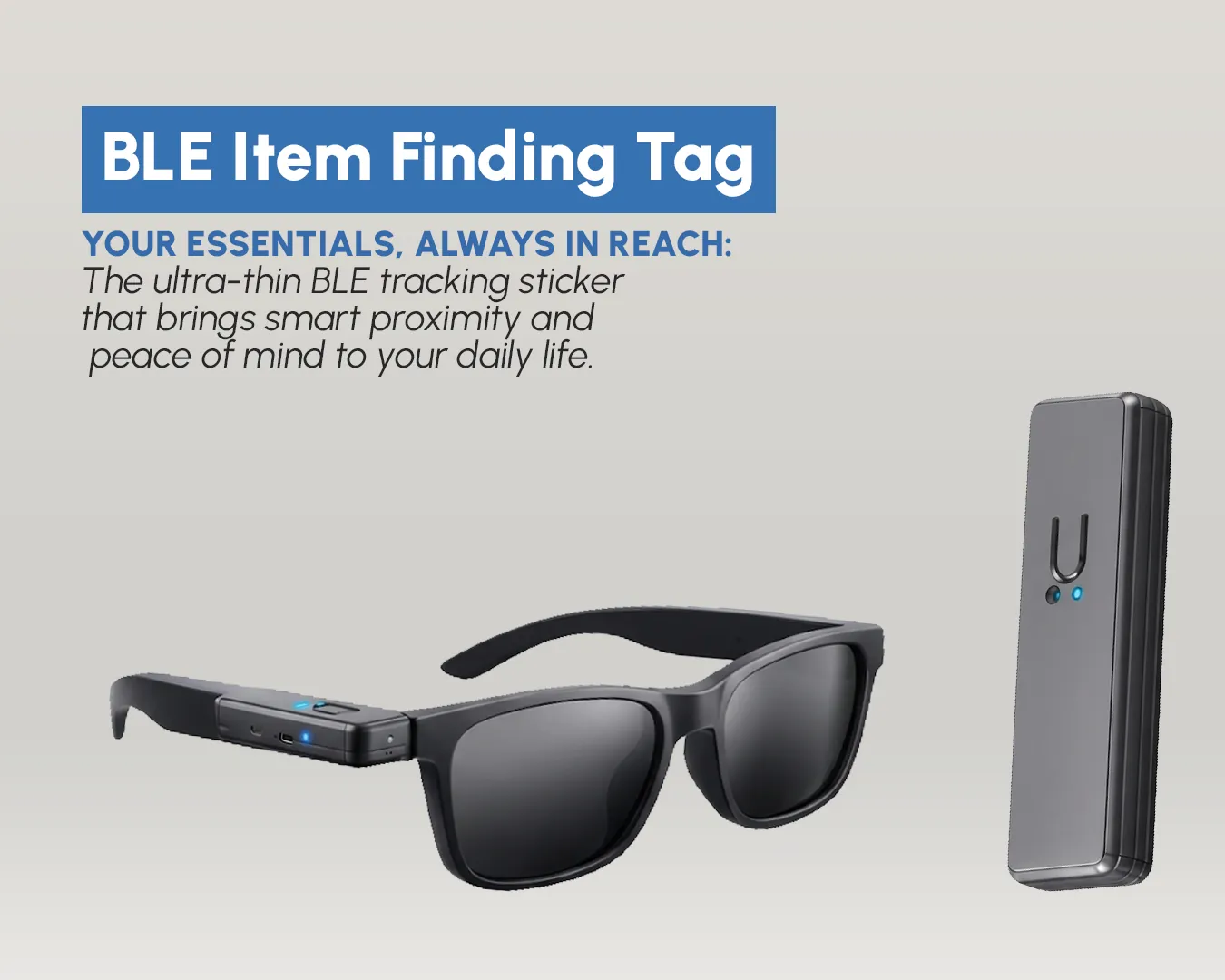
- MicroTracker: an ultra-thin BLE tracking sticker with aggressive sleep modes, targeting around 1.5 months of battery life and 10–15 m range, with app-driven Find Mode and left-behind alerts.
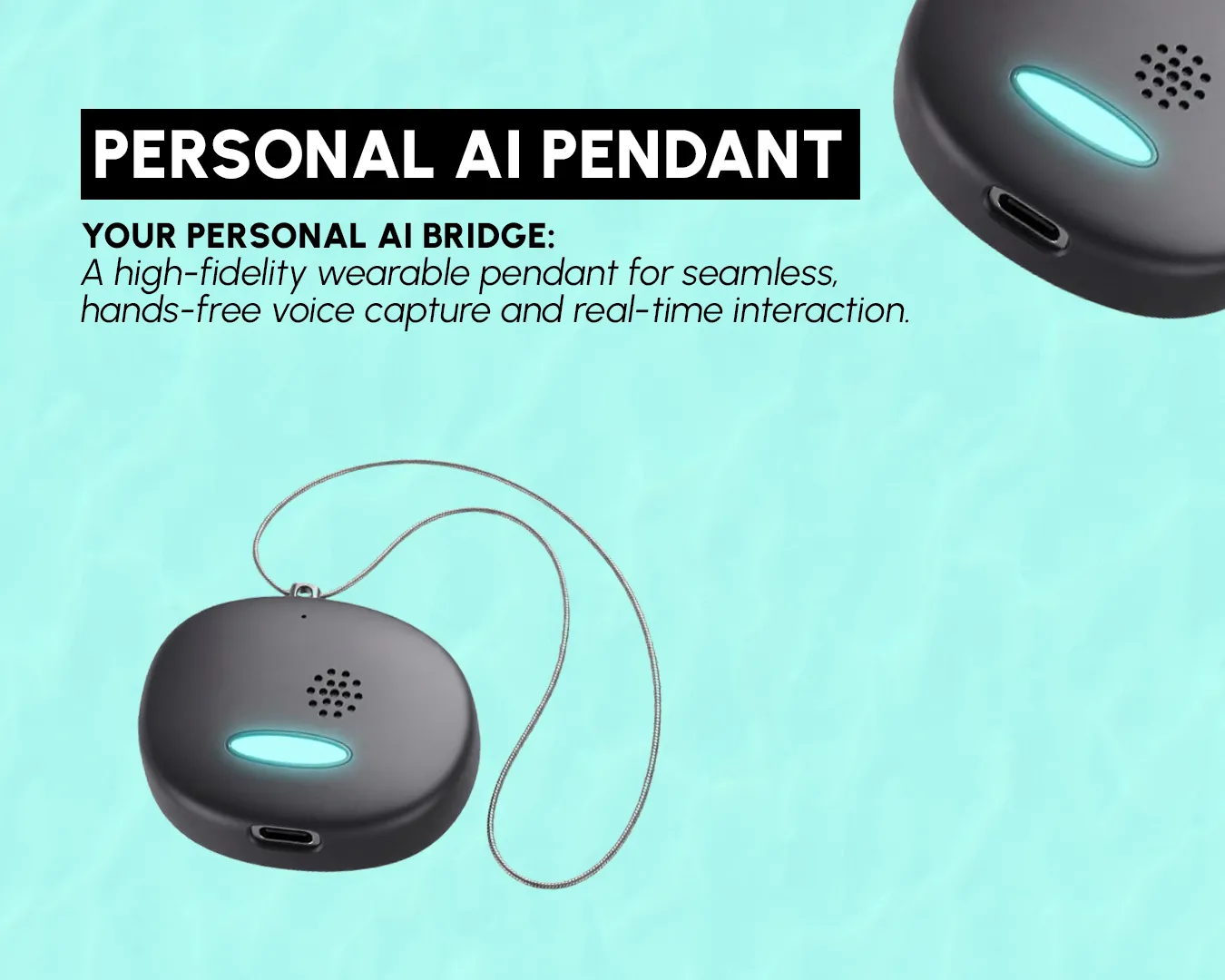
- Aria Pendant: dual-microphone capture, LC3-compressed BLE audio streaming to iOS, wake-word detection, offline flash storage and OTA updates via BLE DFU.
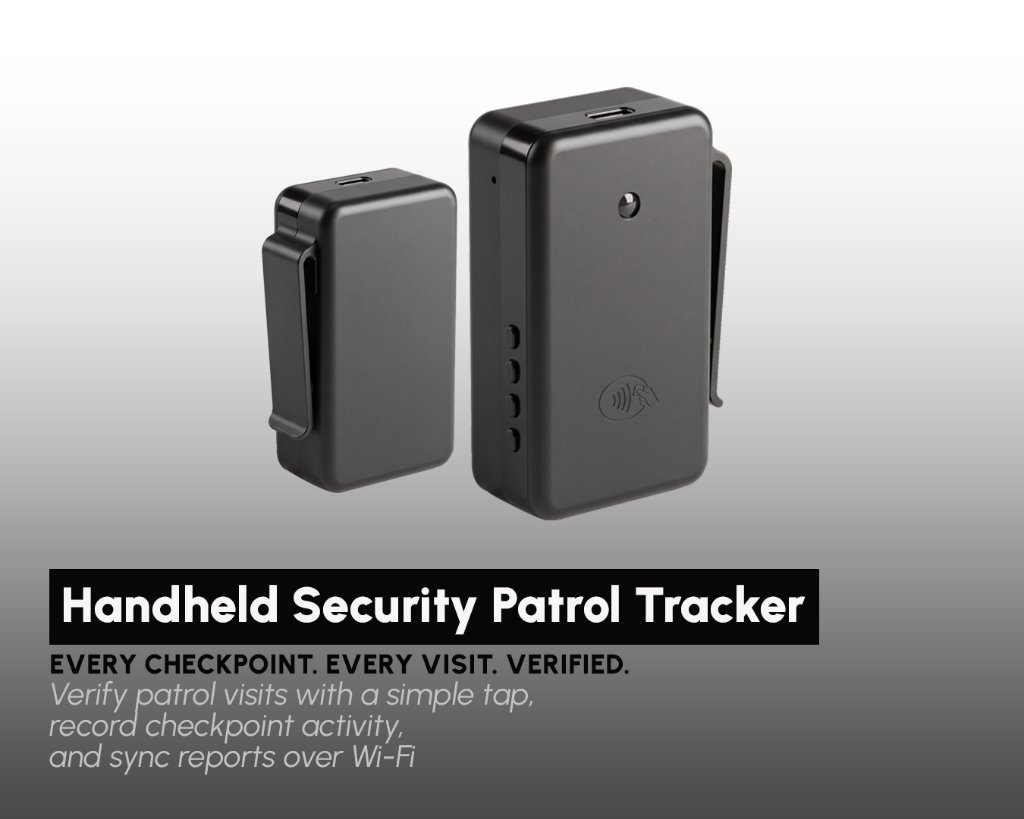
- Security patrol tracker: NFC checkpoint verification with timestamped records synced to a dashboard over Wi-Fi.
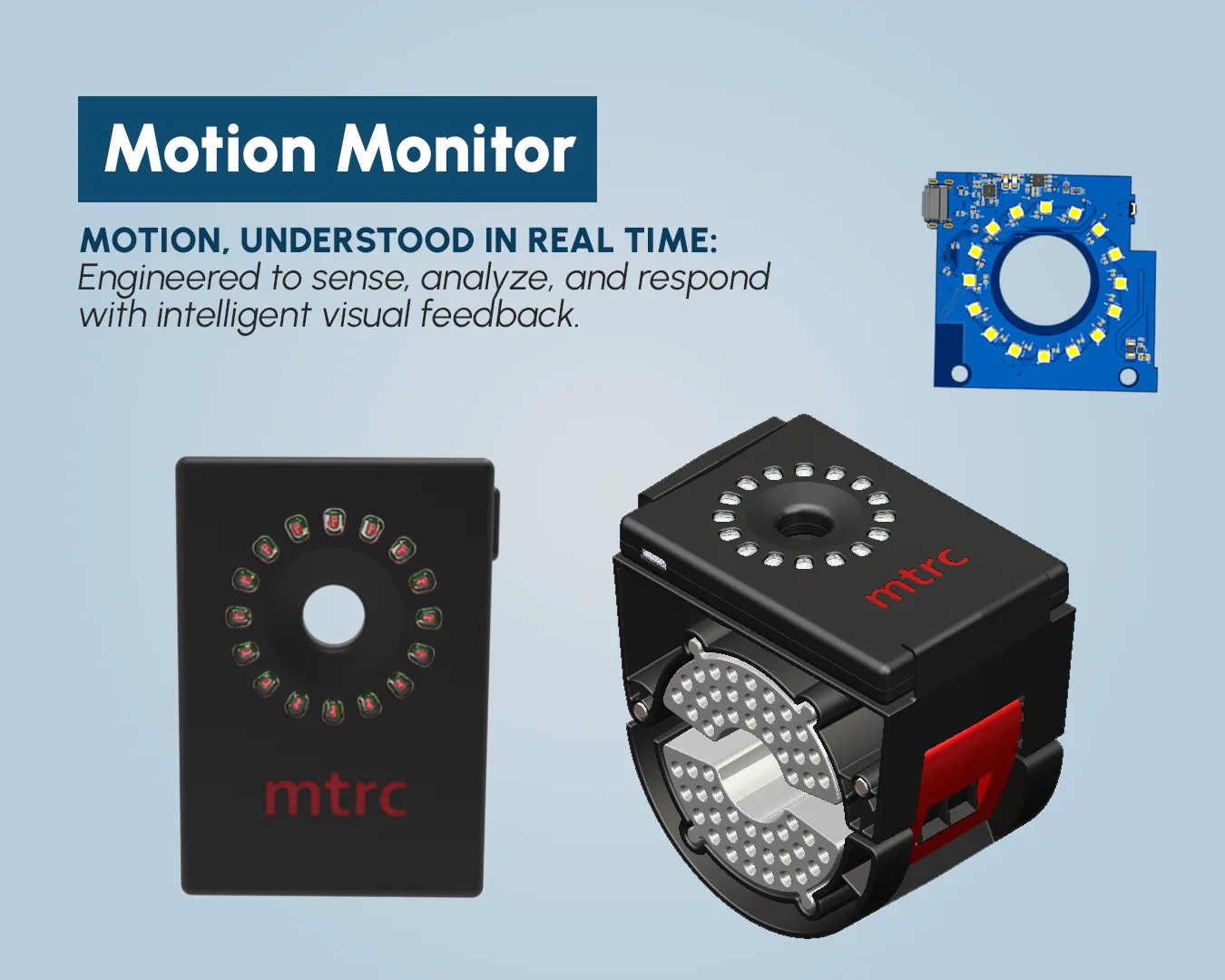
- MTRC motion monitor: embedded C firmware that reads an IMU, classifies motion states and drives an RGB LED in real time.
How we work on firmware
Firmware architecture is planned during the engineering design phase, at the same time as the schematic, so the pin-out, peripherals and power rails suit the code. During prototyping we bring up the board, write and test drivers, and debug firmware against the real hardware.
Before handover we stabilise the firmware and run environmental testing, then deliver the source code and documentation with the rest of the production package. You own 100% of the IP.
Relevant projects
IoT, Smart Devices and Electronics
MicroTracker
Ultra-Thin BLE Item Tracking Sticker
Health Tech and Wearables
Aria Pendant
Wearable BLE Audio Capture Device
IoT, Smart Devices and Electronics
Handheld Security Patrol Tracker
NFC-Verified Guard Tour System
PCB Design and Control Systems
MTRC Motion Monitor
IMU-Based RGB Motion State Indicator
PCB Design and Control Systems
E Paper Button Device
Wi-Fi Event Button with E-Paper Display
Frequently asked questions
Which microcontrollers do you write firmware for?
Our shipped projects use ESP32 and ESP32-S3, STM32, Nordic nRF BLE SoCs, the u-blox BMD-330 module, PIC microcontrollers, Particle Photon and Raspberry Pi. We choose the platform based on your power, connectivity and cost targets.
Can you build ultra-low-power firmware?
Yes. Several of our devices run on coin cells or solar power. MicroTracker, for example, uses periodic BLE advertising and aggressive sleep modes to target around 1.5 months of battery life.
Do you support over-the-air (OTA) firmware updates?
Yes. We have shipped secure OTA updates over BLE DFU and design the update path early so devices can be maintained after launch.
Can you take over firmware for hardware we already have?
Yes. We offer standalone services for existing designs, including QA, design reviews, reverse engineering and design optimisation.
Do you also build the companion app?
Yes. Our team builds iOS, Android and web apps, so the firmware, BLE protocol and app can be designed and tested together.
Who owns the firmware source code?
You do. We transfer 100% of the IP to you on delivery, including source code and documentation.
Have a product to build?
Tell us what you are making. We will review your requirements and come back with a feasibility report, a timeline and a budget.
Book a discovery call →