Wearable devices
Wearable product development in Dubai
Last updated Reviewed by the Quickgen engineering team
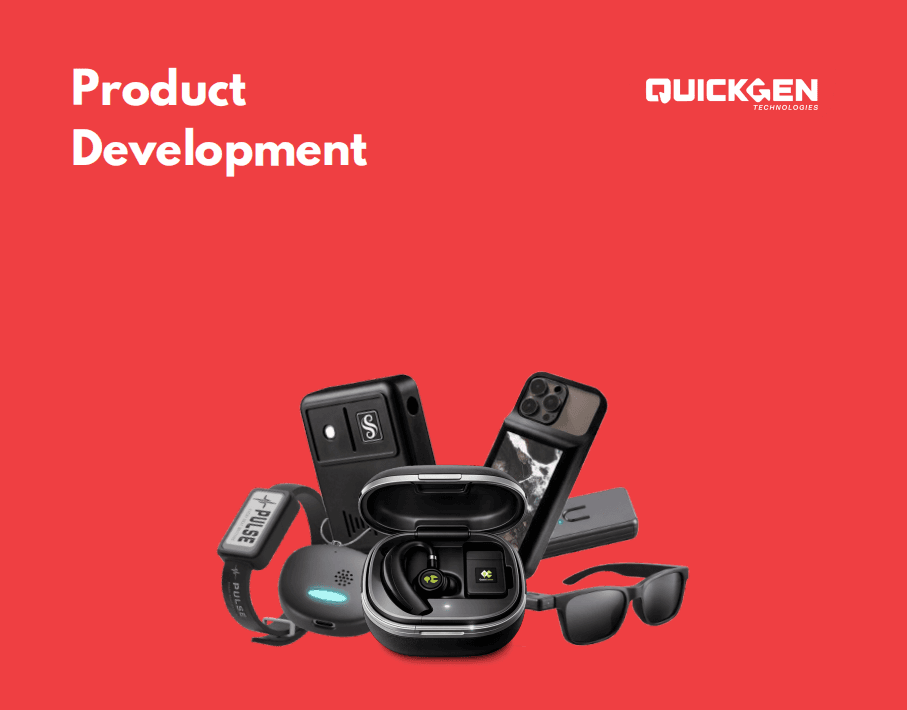
Quickgen Technologies offers wearable product development in Dubai, from its headquarters in Dubai Silicon Oasis. Wearables are some of the hardest products to build. The electronics have to be small, the battery has to last, the device has to be comfortable, and it has to talk reliably to a phone. Quickgen has designed wearables worn on the wrist, around the neck, on clothing, in shoes and on the body.
We handle the full product: BLE wearable PCB design, sensor integration, firmware, the enclosure and the companion app. Because one team owns every layer, trade-offs between size, battery life and features are made with the whole product in view.
What we design for wearables
BLE wearable PCB design
Compact rigid and flexible PCBs built around BLE SoCs, with antenna placement, charging and protection designed for small enclosures.
Sensors
IMUs for motion and gait, PPG and EMG for physiological signals, EDA for skin conductance, and temperature, humidity and air-quality sensing.
Haptics, audio and feedback
Vibration motors with app-controlled patterns, dual-microphone audio capture, LEDs and buttons for simple on-device interaction.
Power and battery
Li-ion and coin-cell power, charging cases and low-power firmware so the device lasts through real daily use.
Companion apps
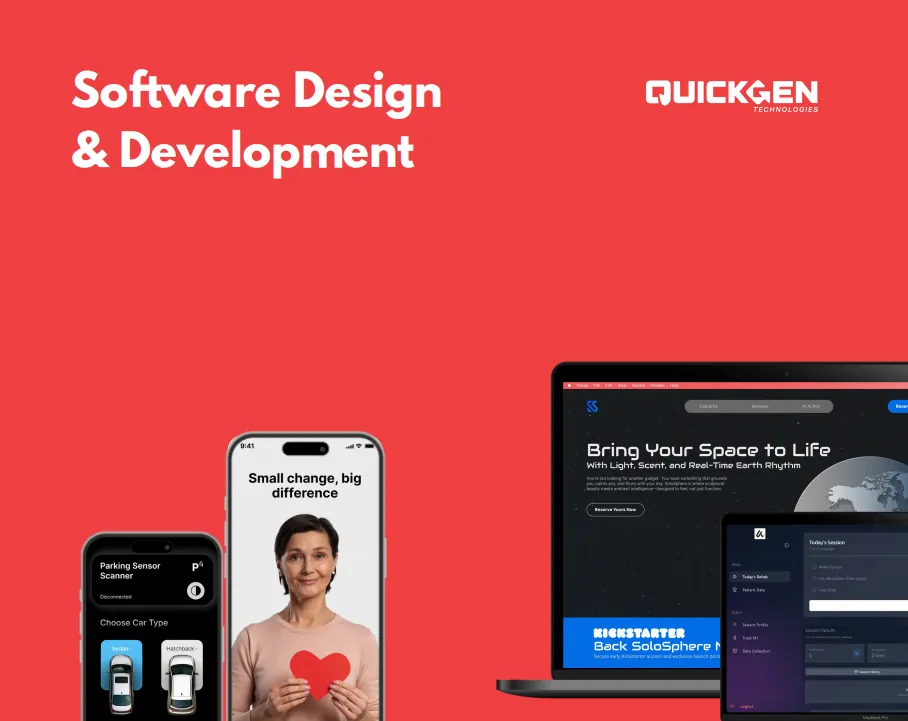
iOS and Android apps for pairing, personalisation, data visualisation and over-the-air firmware updates.
Smart wearable prototypes
Working prototypes with 3D-printed enclosures that you can test with users, then refine for manufacturing.
Wearables we have built
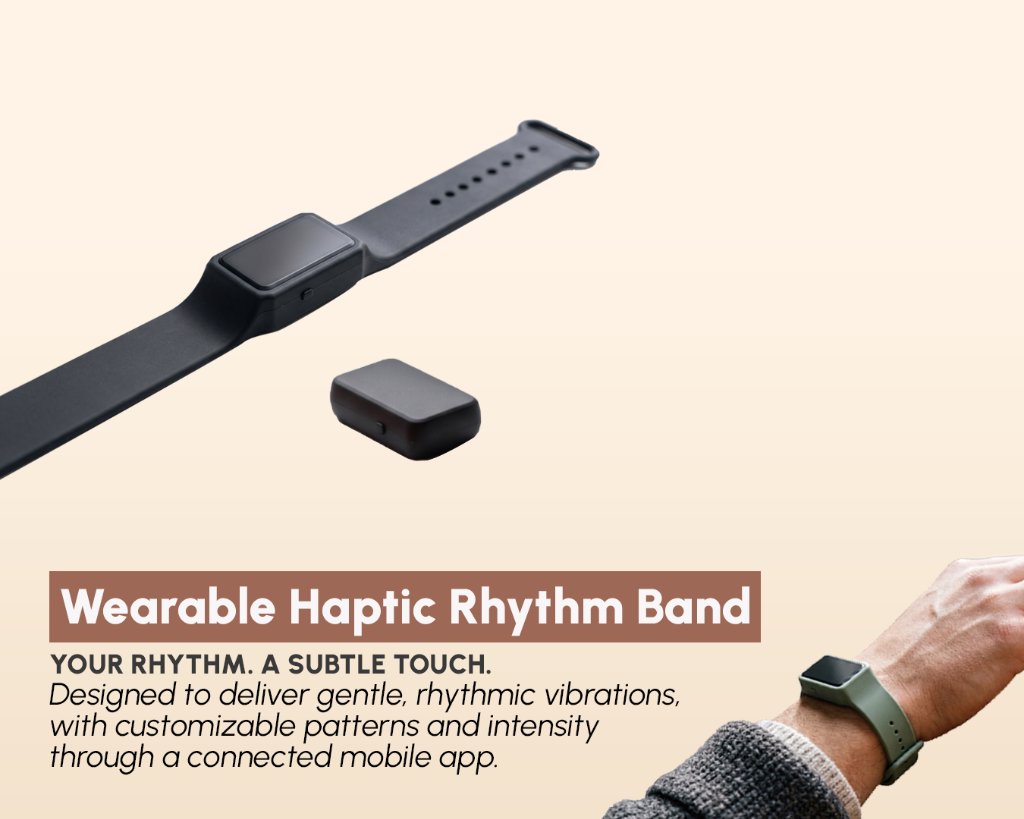
- Wearable Haptic Rhythm Band: customisable vibration patterns and intensity through a BLE app, with a silicone band and charging case.
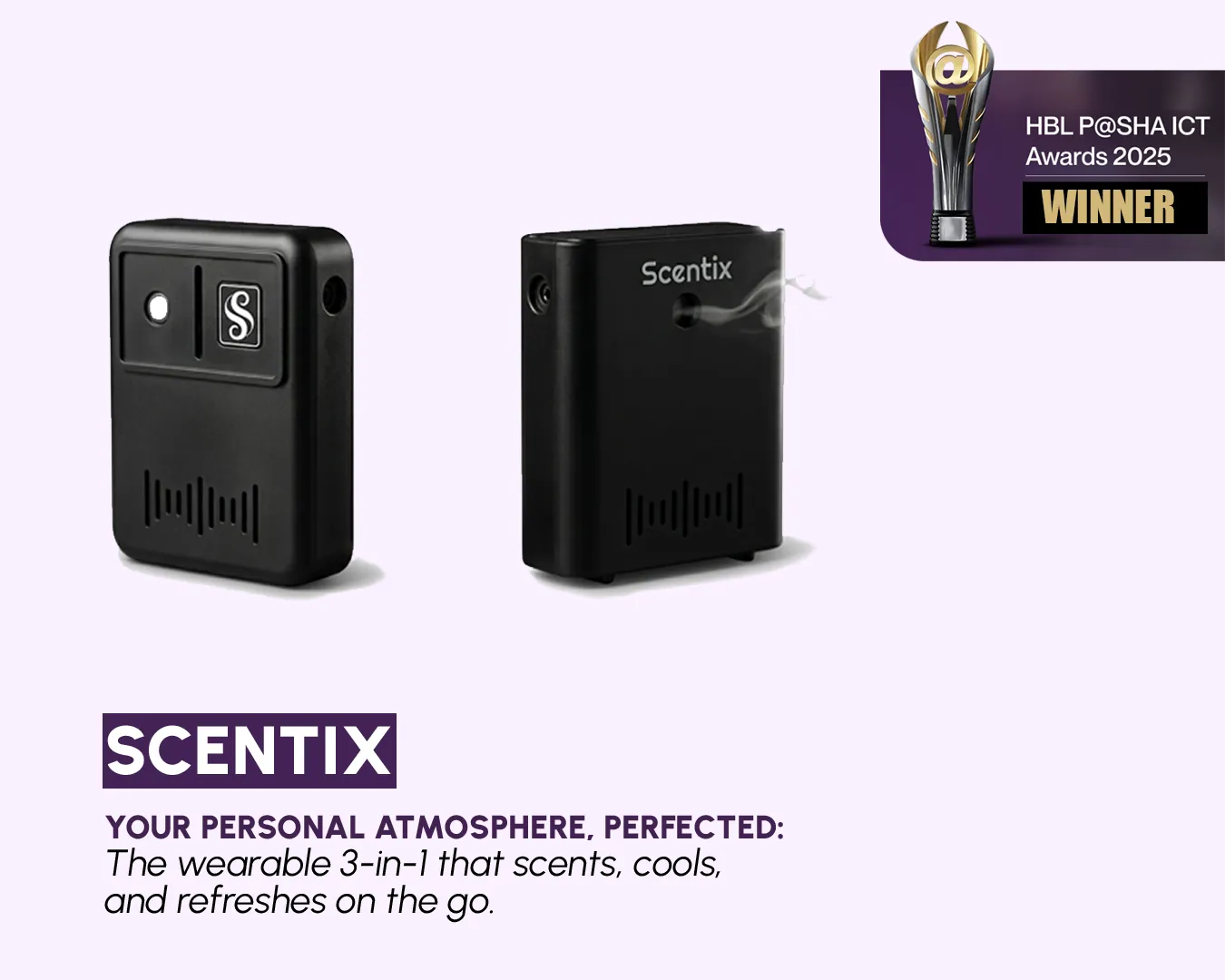
- Scentix: a wearable scent diffuser combining a perfume diffuser, fan and humidifier with TVOC sensing and BLE.
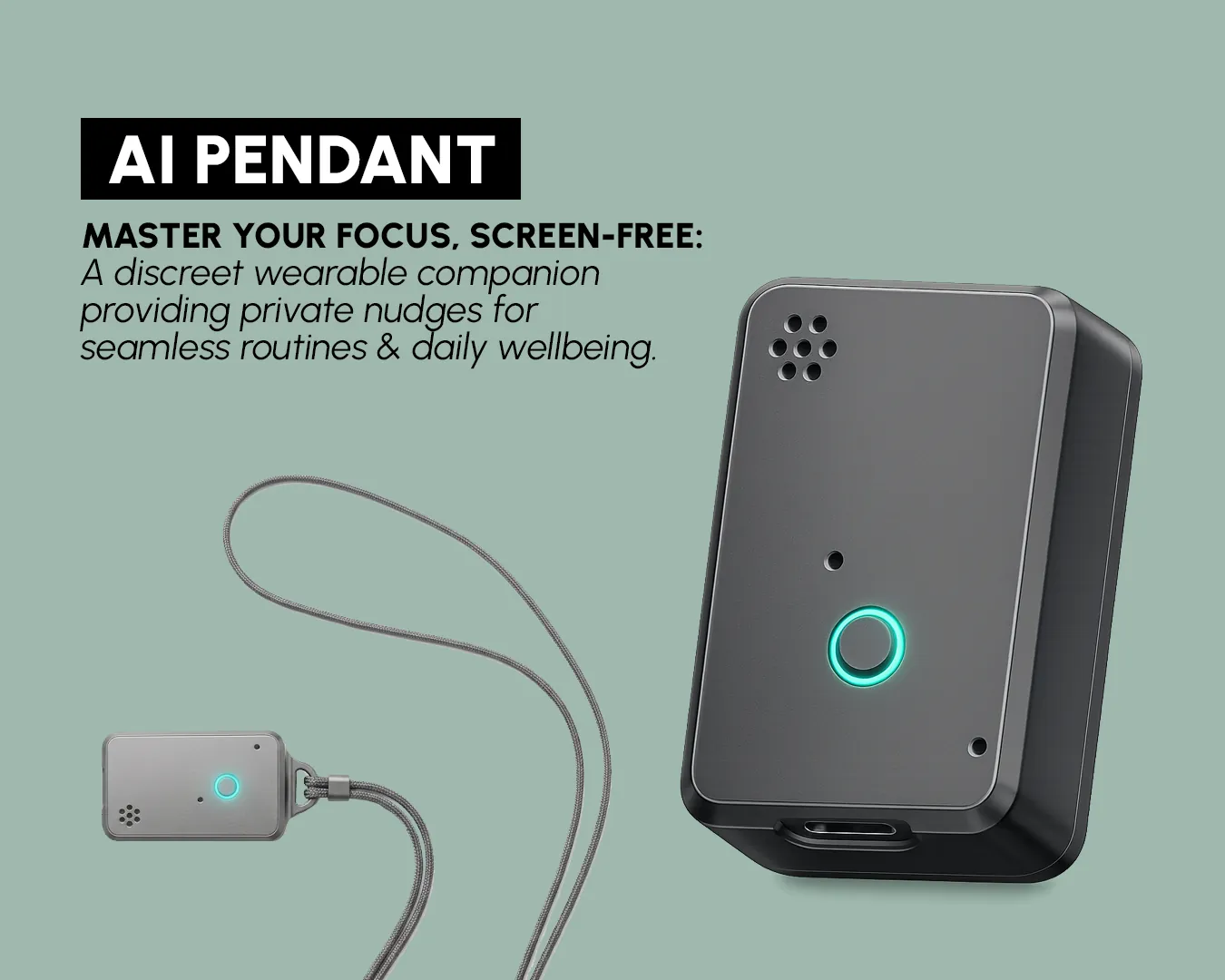
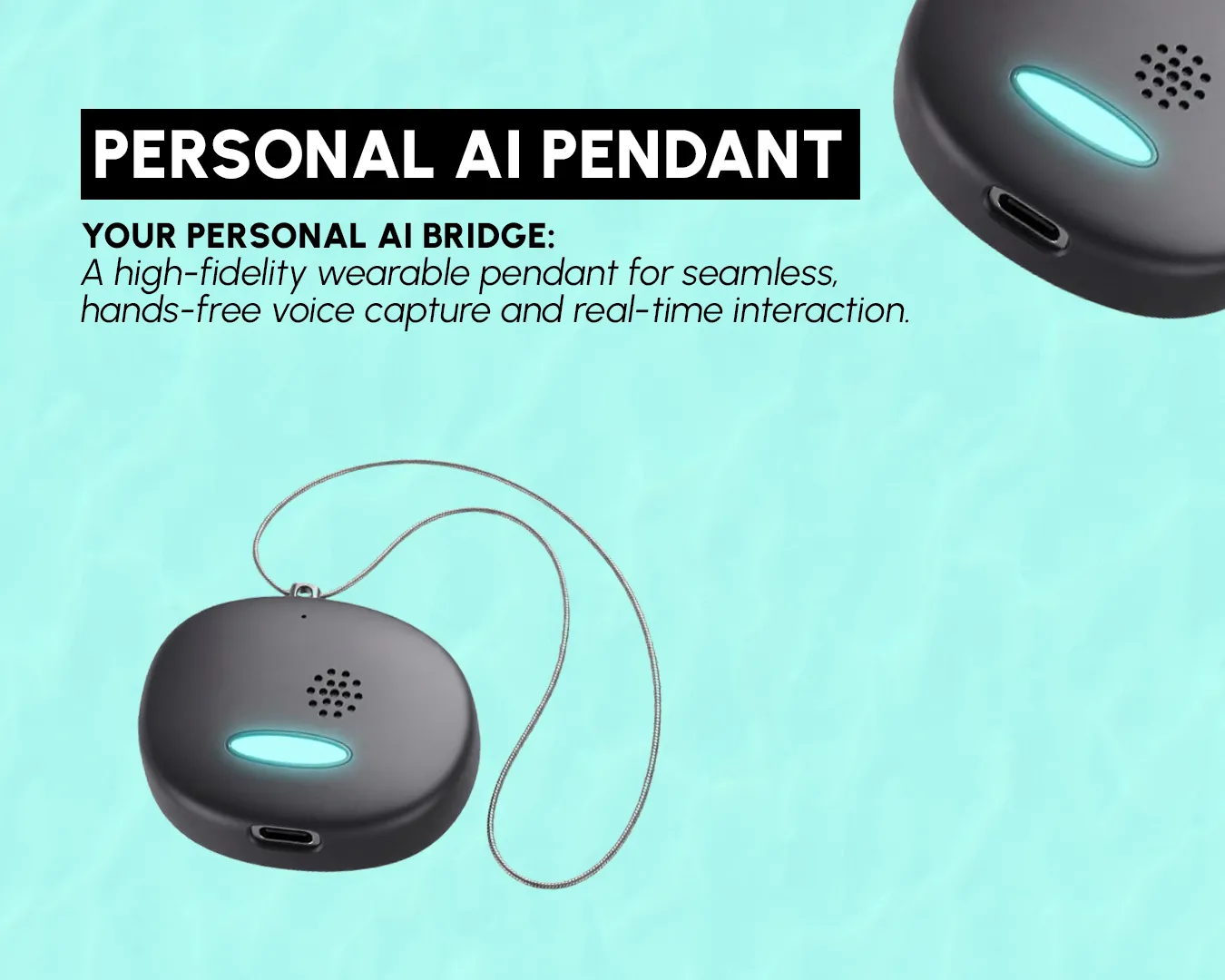
- AI Pendant: a discreet companion that delivers focus nudges, reminders and calm tools through a paired app.
- Aria Pendant: a BLE audio pendant with dual microphones, LC3 audio streaming, wake-word detection and OTA updates.
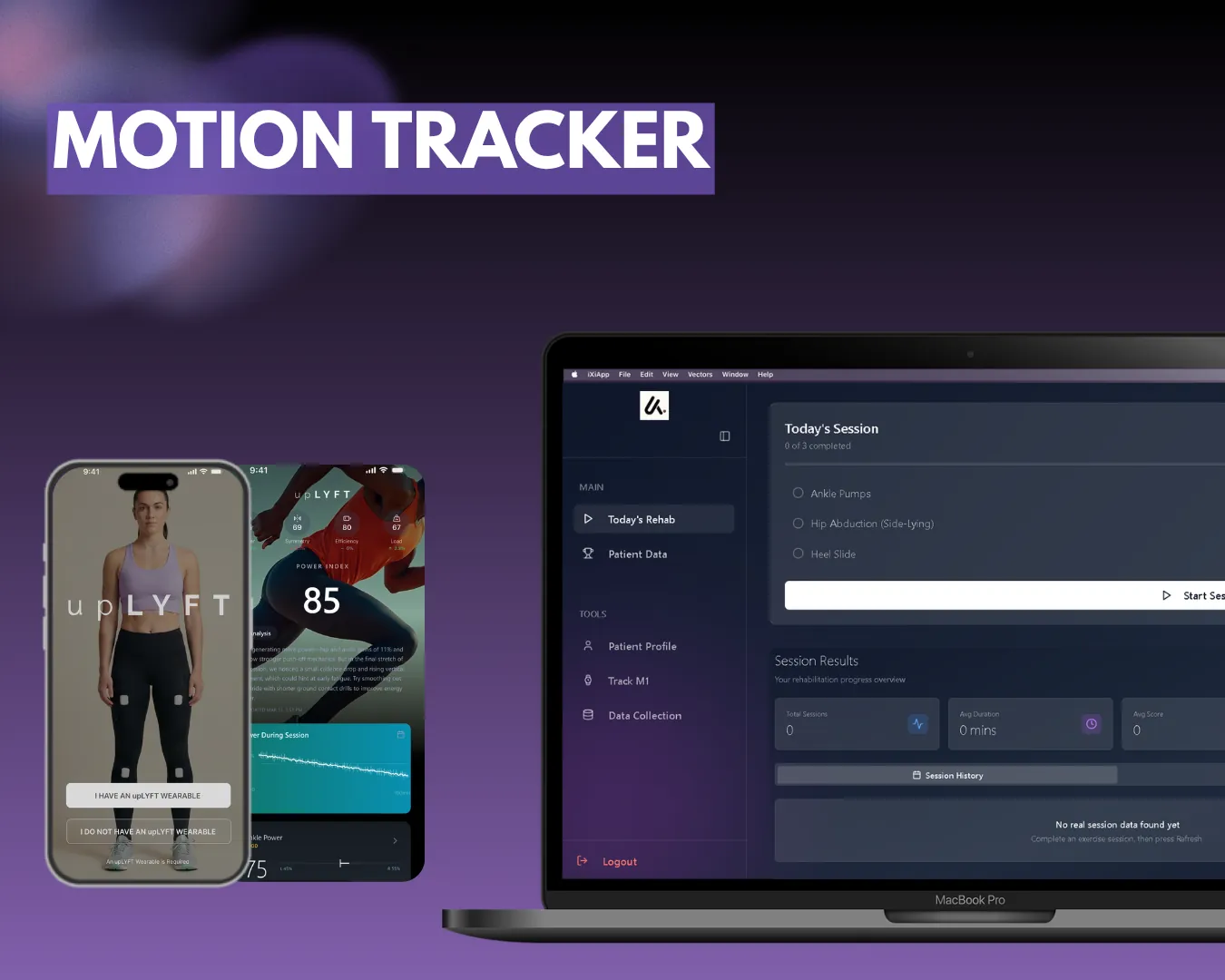
- Motion Track: a multi-IMU wearable system with machine-learning gait analysis and a cross-platform app.
Making a wearable small, comfortable and reliable
Size and battery life pull against each other in every wearable. We settle that balance during feasibility, by choosing the SoC, sensors and battery together and checking the power budget before layout begins. Flexible PCBs and double-sided placement help the electronics fit curved, strap-mounted or very thin form factors.
We also design for how people actually wear the device. Mechanical design in SolidWorks, 3D-printed prototypes and testing in real conditions catch problems with comfort, fit and wireless range that never show up on the bench.
Health and medical wearables
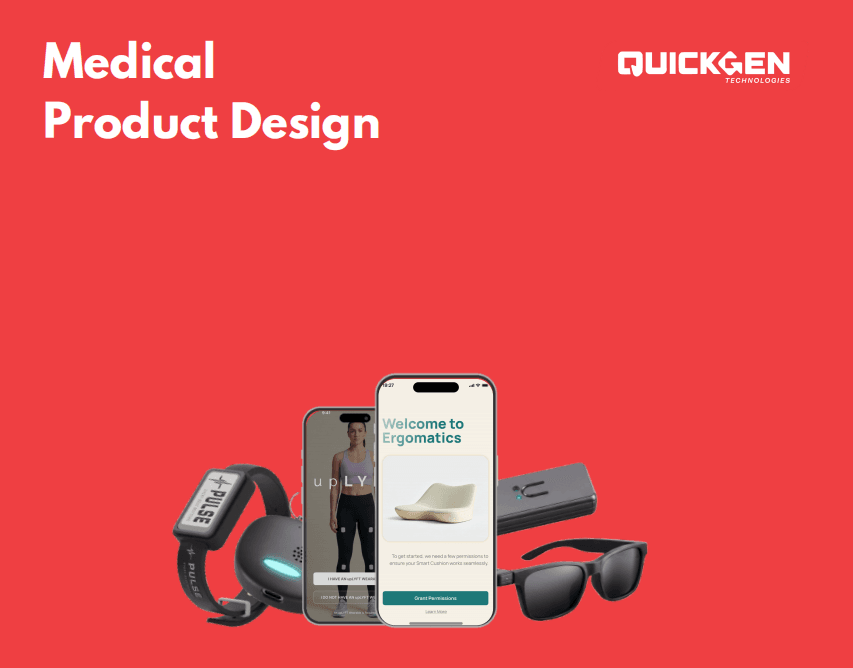
Many wearables measure the body: heart rate, skin conductance, motion or temperature. For health and medical products we offer medical wearable PCB and firmware design, with designs prepared to support certification. See our medical wearables page for examples.
Relevant projects
Health Tech and Wearables
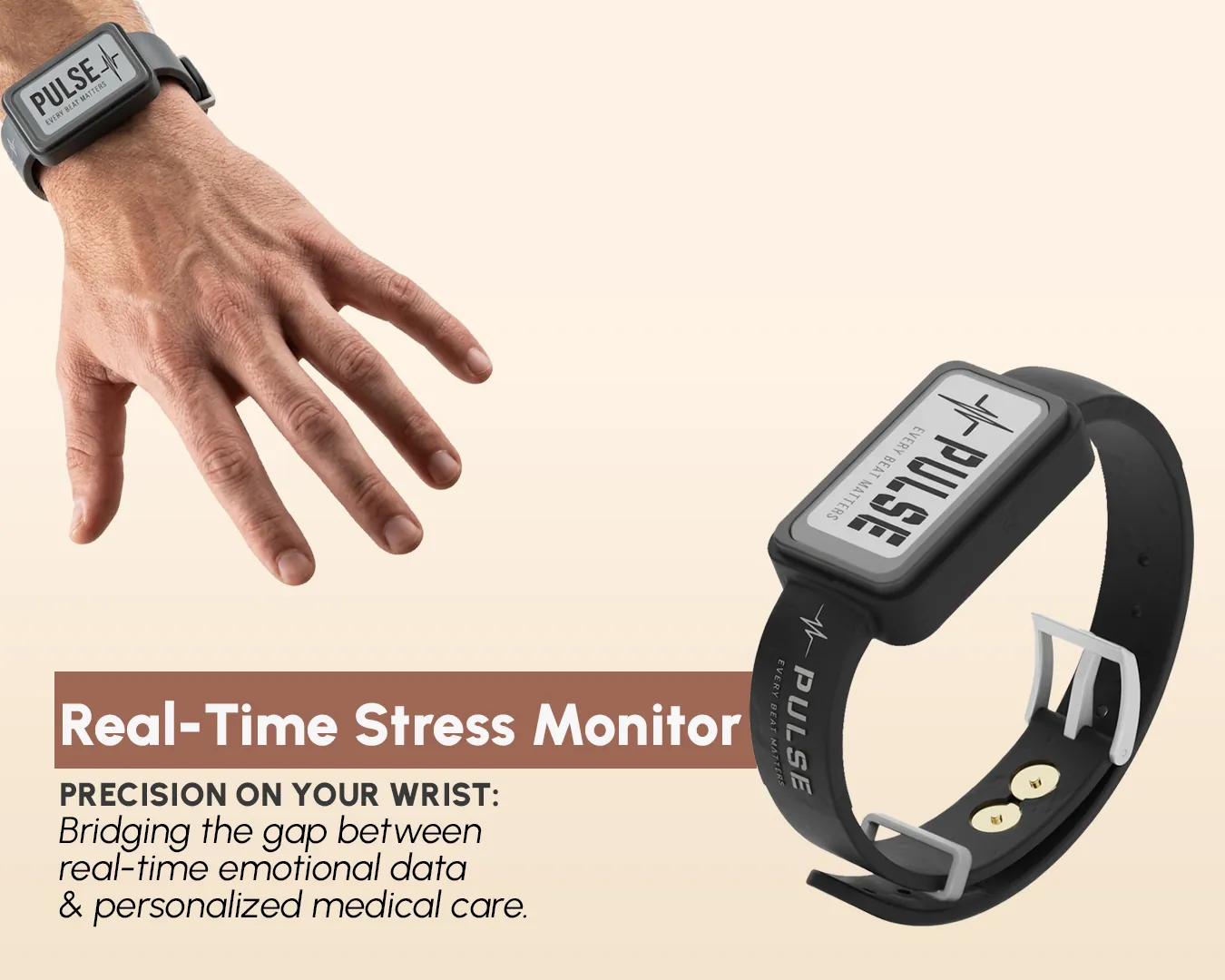
Pulse - EDA Sensor
Non-Invasive Electrodermal Activity Monitor
Health Tech and Wearables
Wearable Haptic Rhythm Band
Customizable Vibration Wellness Wearable
Health Tech and Wearables
Scentix
PCB-Based Wearable Scent Diffuser
Health Tech and Wearables
AI PENDANT
Discreet Wearable Companion for Focus, Routines, and Daily Wellbeing
Health Tech and Wearables
Aria Pendant
Wearable BLE Audio Capture Device
Mobile
Motion Track
Human Gait Analysis Solution
Frequently asked questions
What does a wearable device development company do?
It designs the electronics, firmware, enclosure and app for a device worn on the body. Quickgen covers all of these, from the first prototype to a manufacturing-ready design.
Can you design a BLE wearable PCB?
Yes. Most of our wearables are built around BLE SoCs, on compact rigid or flexible PCBs with charging, protection and antenna layout designed for the enclosure.
Which sensors can you integrate?
We have integrated IMUs, PPG, EMG, EDA, temperature, humidity, TVOC and pressure sensors, plus microphones and haptic motors.
Can you build a smart wearable prototype we can test with users?
Yes. We build working prototypes with custom PCBs and 3D-printed enclosures, test them ourselves and refine the design for manufacturing.
How long does wearable development take?
It depends on the sensors, form factor and app. After reviewing your requirements we send a feasibility report with a timeline and budget.
Do you build the companion app?
Yes. We build iOS and Android companion apps for pairing, data visualisation, personalisation and firmware updates.
Have a product to build?
Tell us what you are making. We will review your requirements and come back with a feasibility report, a timeline and a budget.
Book a discovery call →